by Donald B. MacGowan
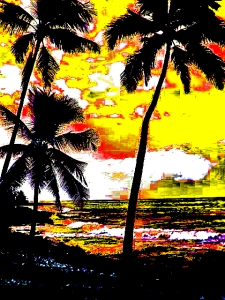
- La Aloa Sunset Kailua Kona Hawaii: Graphic from Photo by Donnie MacGowan
- La Aloa Sunset Kailua Kona Hawaii: Graphic from Photo by Donnie MacGowan
There are many wondrous, enigmatic and fascinating attractions on the Big Island of Hawaii, some better known than others, many out of the way and generally off the beaten track. Tour Guide Hawaii has produced an encyclopedic collection of the most up-to-date information, presented as short GPS-cued videos, in an app downloadable to iPhone and iPod Touch that covers the entire Big Island, highlighting the popular and the uncrowded, the famous and the secluded, the adventurous and the relaxing.
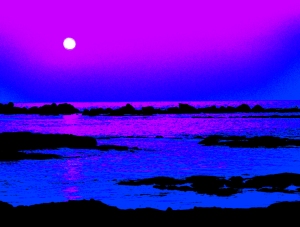
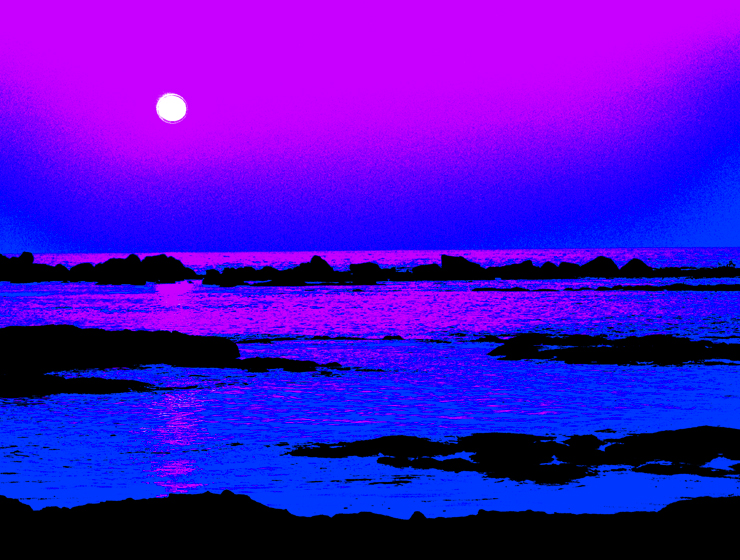
- Moon over Kahalu'u Beach, Kona Hawaii: Graphic From Photo by Donnie MacGowan
Best About Planning Your Hawaii Trip
What To Pack And Take To Hawaii: What You Need, What You Want, What You Can Leave Out Of Your Luggage: http://lovingthebigisland.wordpress.com/2009/07/13/what-to-pack-and-take-to-hawaii-what-you-need-what-you-want-what-you-can-leave-out-of-your-luggage/
Getting To Hawaii, Getting Around Hawaii, Getting the Most From Hawaii: http://lovingthebigisland.wordpress.com/2009/06/04/getting-to-and-getting-around-the-big-island-of-hawaii/
Frank's Guide to Pronouncing Hawaiian Words: http://lovingthebigisland.wordpress.com/2009/07/01/franks-guide-to-pronouncing-the-hawaiian-langauge/
What sunglasses should I buy to go to Hawaii?: http://lovingthebigisland.wordpress.com/2010/01/11/what-sunglasses-should-i-buy-to-go-to-hawaii/
Going to Hawaii? Let's Chat about Sunburn and Sunscreen...: http://lovingthebigisland.wordpress.com/2010/01/13/going-to-hawaii-lets-chat-about-sun-burn-and-sunscreen/
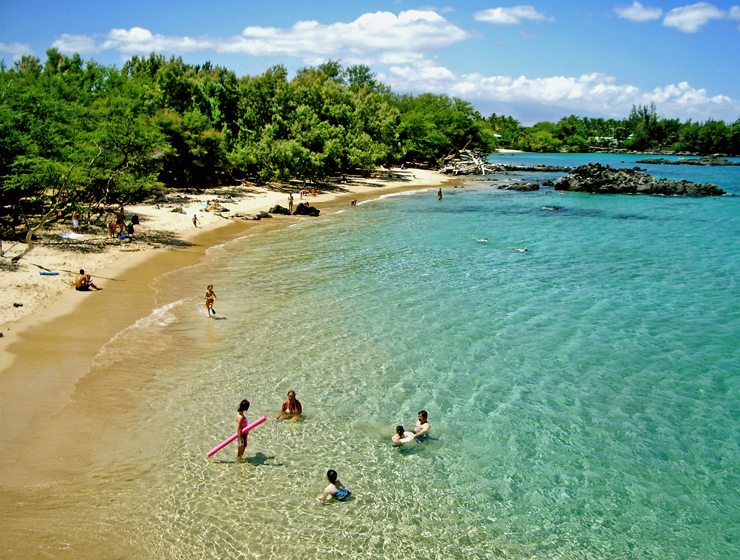
- Beautiful Waialea Beach, Kohala Coast Hawaii: Photo by Donnie MacGowan
Best Beaches on Hawaii
A Quick Guide to The Best Beaches of Hawaii Island: Sun, Surf, Solitude: http://lovingthebigisland.wordpress.com/2009/06/25/the-top-beaches-of-hawaii-island/
Green, Black, White, Grey and Piebald: The Colored Sand Beaches of the Big Island of Hawaii: http://lovingthebigisland.wordpress.com/2009/12/10/bgreen-black-white-grey-and-piebald-the-colored-sand-beaches-of-the-big-island-of-hawaii/
The Best Beaches in Hawaii: Part 1, The Main Kohala Coast: http://lovingthebigisland.wordpress.com/2009/08/03/the-best-beaches-in-hawaii-part-1-the-main-kohala-coast/
The Best Beaches in Hawaii: Part 2, The Kona and South Kohala Coasts: http://lovingthebigisland.wordpress.com/2009/08/05/the-best-beaches-in-hawaii-part-2-the-kona-and-south-kohala-coasts/
Best Beaches in Hawaii: Part 3, Unusual, Uncrowded and Untamed Beaches of South Hawaii: http://lovingthebigisland.wordpress.com/2009/08/07/best-beaches-in-hawaii-part-3-unusual-uncrowded-and-untamed-beaches-of-south-hawaii/
Best Beaches in Hawaii: Part 4, Wilderness Beaches of the Big Island: http://lovingthebigisland.wordpress.com/2009/08/09/best-beaches-in-hawaii-part-4-wilderness-beaches-of-the-big-island/
Best Beaches in Hawaii Part 5--Best Beaches for Snorkeling: http://lovingthebigisland.wordpress.com/2009/08/11/best-beaches-in-hawaii-part-5-best-beaches-for-snorkeling/
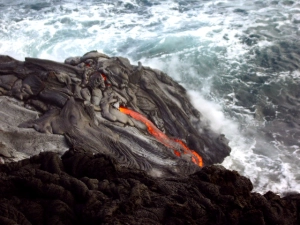
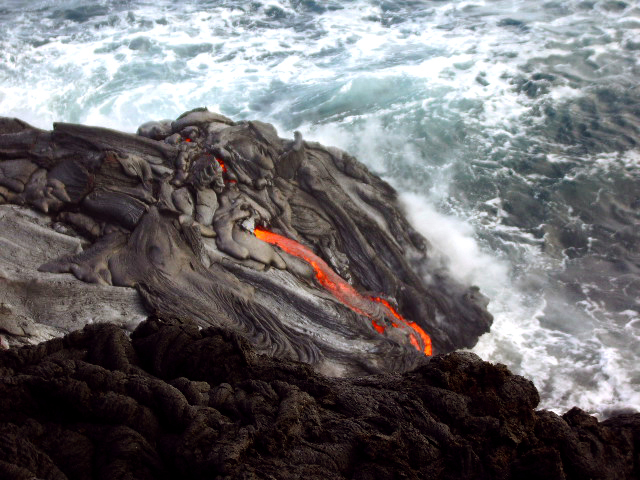
- Lava from Kilauea Volcano Flowing into the Sea, Hawaii Volcanoes National Park: Photo by Donnie MacGowan
Best Scenic Drives on Hawaii
Exploring Hawaii Volcanoes National Park; The Most Interesting, Amazing and Diverse Scenic Drive in Hawaii: http://lovingthebigisland.wordpress.com/2009/11/22/a-scenic-drive-through-hawaii-volcanoes-national-park-the-most-interesting-amazing-and-diverse-place-in-hawaii/
Kona Heritage Corridor Scenic Drive: An Exceptional Day Trip Exploration of Historical, Lovely, Up-Country Kona!:http://lovingthebigisland.wordpress.com/2009/06/14/kona-heritage-corridor-scenic-drive-an-exceptional-day-trip-exploration-of-historical-lovely-up-country-kona/
Best Scenic Drives on Hawaii #1: The Saddle Road...Kona to the Summit of Mauna Kea, Kaumana Cave and Hilo: http://lovingthebigisland.wordpress.com/2010/02/12/best-scenic-drives-on-hawaii-1-the-saddle-road-kona-to-the-summit-of-mauna-kea-kaumana-cave-and-hilo-2/
Best Scenic Drives on Hawaii #2: North Kona and Kohala, Ancient History, Sumptuous Beaches: http://lovingthebigisland.wordpress.com/2010/03/01/scenic-drive-2-north-kona-and-kohala-ancient-history-sumptuous-beaches/
Best Scenic Drives on Hawaii #3: Kona to Hamakua and Hilo: http://lovingthebigisland.wordpress.com/2010/02/09/best-scenic-drives-on-hawaii-3-kona-to-hamakua-and-hilo-2/
Best Scenic Drives in Hawaii #4: Kona Coast to South Point and Ka'u: http://lovingthebigisland.wordpress.com/2010/02/25/best-scenic-drives-in-hawaii-4-kona-coast-to-south-point-and-kau-2/
Best Scenic Drives in Hawaii #5: Kailua Kona to Hawaii Volcanoes National Park, Puna and Lava Viewing: http://lovingthebigisland.wordpress.com/2010/01/27/best-scenic-drives-in-hawaii-5-kailua-kona-to-hawaii-volcanoes-national-park-puna-and-lava-viewing-2/
Scenic Drive #6: Big Island Whirlwind Road Trip...I have to see the whole Big Island all in one day!http://lovingthebigisland.wordpress.com/2010/03/05/best-scenic-drives-in-hawaii-6-hawaii-whirlwind-road-trip-i-have-to-see-the-whole-big-island-all-in-one-day/
What Do I Do on the Big Island? Explore Hawaii's Incomparable, Fantastic and Wild South Coast!: http://lovingthebigisland.wordpress.com/2008/12/20/what-do-i-do-on-the-big-island-explore-hawaiis-incomparable-fantastic-and-wild-south-coast/
Road Trip Through Keauhou Historic District, Big Island, Hawaii: http://lovingthebigisland.wordpress.com/2008/07/10/wwwtourguidehawaicom-presents-a-road-trip-through-keauhou-historic-district-big-island-hawaii/
Explore Hawaii's Hidden, Romantic and Mysterious Places: The South Coast of Hawaii: http://lovingthebigisland.wordpress.com/2009/09/18/new-iphoneipod-touch-app-helps-you-explore-hawaiis-hidden-romantic-and-mysterious-places-the-south-coast-of-hawaii/
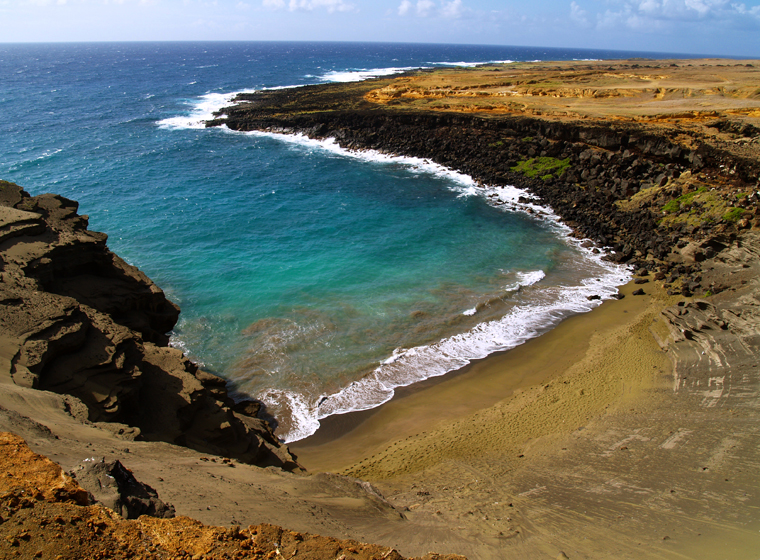
- Papakolea: Green Sand (Mahana) Beach at South Point (Ka Lae), Hawaii: Photo by Donald B. MacGowan
Best About Hiking:
The Best Short Hikes on Hawaii Island: http://lovingthebigisland.wordpress.com/2009/06/29/the-best-short-hikes-on-hawaii-island/
The Adventure and Romance of Hiking To Kilauea Volcano's Active Lava Flows: http://lovingthebigisland.wordpress.com/2008/07/20/tour-guide-hawaii-presents-the-adventure-and-romance-of-hiking-to-kilauea-volcanos-active-lava-flows/
Exploring the Summit Hikes of Mauna Kea: http://lovingthebigisland.wordpress.com/2009/10/23/exploring-the-summit-hikes-of-mauna-kea-hawaii/
South Point's Justly Famous Green Sand Beach Hike, Hawaii: http://lovingthebigisland.wordpress.com/2009/10/29/south-points-justly-famous-green-sand-beach-hike-papakolea-bay-and-mahana-beach-hawaii/
Hiking to Captain Cook Monument on the Big Island of Hawaii: http://lovingthebigisland.wordpress.com/2009/10/16/hiking-to-captain-cook-monument-on-the-kona-coast-of-hawaii/
Hiking the Kilauea Iki Trail: http://lovingthebigisland.wordpress.com/2009/09/24/hiking-the-kilauea-iki-trail-new-iphoneipod-touch-app-helps-you-find-all-the-unique-secluded-unusual-destinations-on-hawaii/
Hiking Hawaii's Magnificent Waipi'o Valley: http://lovingthebigisland.wordpress.com/2009/10/18/hiking-hawaiis-magnificent-waipio-valley/
Hike to Kamehameha's Birthplace and the Forbidding Temple of Human Sacrifice, Mo'okini Heiau, on the Big Island of Hawaii: http://lovingthebigisland.wordpress.com/2009/11/21/hike-to-kamehamehas-birthplace-and-the-forbidding-temple-of-human-sacrifice-mookini-heaiau-on-the-big-island-of-hawaii/
Ka'u Desert's Unearthly Hike to the Eerie Warrior Footprint Casts: http://lovingthebigisland.wordpress.com/2009/11/05/2965/
Hiking Down Into Pololu Valley, Big Island, Hawaii: http://lovingthebigisland.wordpress.com/2009/10/20/hiking-down-into-pololu-valley-big-island-of-hawaii/
Kiholo Bay Beach Hike: http://lovingthebigisland.wordpress.com/2009/10/21/kiholo-bay-beach-hike/
Hiking to Honomalino Bay, Big Island, Hawaii: http://lovingthebigisland.wordpress.com/2009/10/19/hiking-to-honomalino-bay-big-island-hawaii/
Historic Kailua Kona Town on the Big Island of Hawaii: A Walking Tour: http://lovingthebigisland.wordpress.com/2009/05/03/historic-kailua-kona-town-on-the-big-island-of-hawaii-a-walking-tour/
Hiking and Camping at Hawaii's Last Wilderness Beach: La'amaomao the Wind God and Makalawena Beach: Advice: http://lovingthebigisland.wordpress.com/2009/02/21/hiking-and-camping-at-hawaiis-last-wilderness-beach-laamaomao-the-wind-god-and-makalawena-beach/
Driving and Hiking to the Summit of Mauna Kea, Big Island of Hawaii: http://lovingthebigisland.wordpress.com/2009/07/26/advice-driving-and-hiking-to-the-summit-of-mauna-kea-big-island-of-hawaii/
Hidden Secrets of Hawaii: The Golden Ponds of Ke-awa-iki: http://lovingthebigisland.wordpress.com/2009/04/21/hidden-secrets-of-hawaii-the-golden-ponds-of-ke-awa-iki/
Hiking at Kilauea Volcano on the Big Island of Hawaii: http://lovingthebigisland.wordpress.com/2009/01/07/hiking-at-kilauea-volcano-on-the-big-island-of-hawaii/
- Liz Fuller at Honaunau Bay, Hawaii: Photo by Donald B. MacGowan
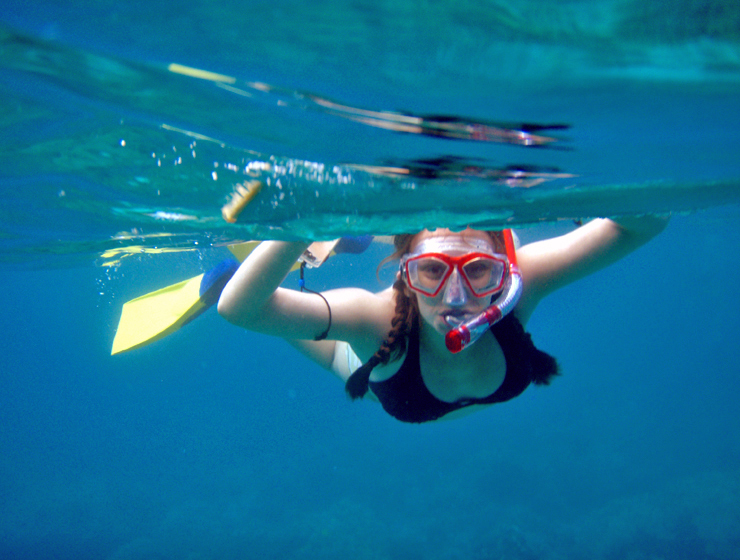
Best About Snorkeling
The Best Snorkeling Spots on Hawaii Island: http://lovingthebigisland.wordpress.com/2009/06/27/the-best-snorkeling-spots-on-hawaii-island/
Discovering Kona: Snorkeling at the Incomparable Two-Step Beach at Honaunau Bay: http://lovingthebigisland.wordpress.com/2010/01/22/discovering-kona-snorkeling-at-the-incomparable-two-step-beach-at-honaunau-bay/
Exploring Kona: Discover hidden, beautiful, special Ho'okena Beach Park: http://lovingthebigisland.wordpress.com/2010/01/24/exploring-kona-discover-hidden-beautiful-special-hookena-beach-park/
Hawaii Island Snorkeling Tips, Part I: Gear: http://lovingthebigisland.wordpress.com/2009/05/16/hawaii-island-snorkeling-tips-part-i-gear-2/
Hawaii Island Snorkeling Tips, Part II: Technique : http://lovingthebigisland.wordpress.com/2009/05/18/hawaii-island-snorkeling-tips-part-ii-technique-2/
Hawaii Island Snorkeling Tips, Part III: Protecting the Reef and Reef Animals: http://lovingthebigisland.wordpress.com/2009/05/20/hawaii-island-snorkeling-tips-part-iii-reef-etiquette-2/
Hawaii Island Snorkeling Tips, Part IV: Snorkeling Safety: http://lovingthebigisland.wordpress.com/2009/05/26/hawaii-island-snorkeling-tips-part-iv-snorkeling-safety-2/
Hawaii Island Snorkeling Tips, Part V: Best Snorkeling Beaches of the Big Island: http://lovingthebigisland.wordpress.com/2009/05/28/hawaii-island-snorkeling-tips-part-v-best-snorkeling-beaches-of-the-big-island-2/
Hawaii Island Snorkeling Tips Part VI: Wilderness Beaches of the Big Island!: http://lovingthebigisland.wordpress.com/2009/05/30/hawaii-island-snorkeling-tips-part-vi-wilderness-beaches-of-the-big-islanda/
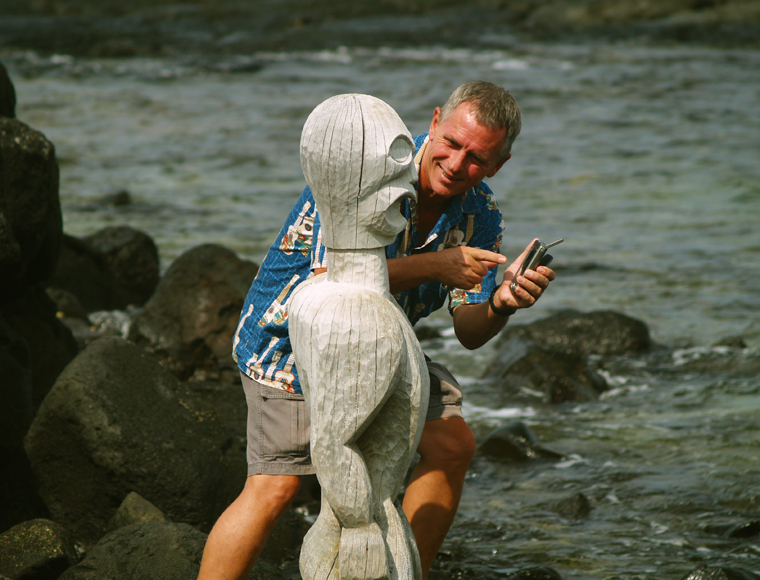
- Frank Burgess giving travel advice at Pu'u Honua O Honaunau National Historic Park, Kona Hawaii: Photo by Donald B MacGowan
Frank's Big Island Travel Hints
Frank's Big Island Travel Hints #1: Introduction: Kona Coast: http://lovingthebigisland.wordpress.com/2009/09/26/franks-big-island-travel-hints-1-north-kona-and-kohala-ancient-history-sumptuous-beaches/
Frank's Big Island Travel Hints #2: Kona South to Hawaii Volcanoes National Park Hilo:http://lovingthebigisland.wordpress.com/2009/09/27/franks-big-island-travel-hints-2-kona-coast-south-of-honaunau-to-kau/
Frank's Big Island Travel Hints #3: Kona North to Waikoloa and the Kohala Coast:http://lovingthebigisland.wordpress.com/2009/09/29/1794/
Frank's Big Island Travel Hints #4: Waikoloa to Pololu Valley; http://lovingthebigisland.wordpress.com/2009/10/01/franks-big-island-travel-hints-4-waikoloa-to-pololu-valley-4/
Frank's Big Island Travel Hints #5: Hawi to Kona via the Kohala Mountain road, Waimea and Waikoloa: http://lovingthebigisland.wordpress.com/2009/10/03/franks-big-island-travel-hints-5-hawi-to-kona-via-kohala-mountain-road-waimea-and-waikoloa-4/
Frank's Big Island Travel Hints #6: Waimea and the Hamakua Coast: http://lovingthebigisland.wordpress.com/2009/10/04/franks-big-island-travel-hints-6-waimea-and-the-hamakua-coast-4/
Frank's Big Island Travel Hints # 7: Around Hilo: http://lovingthebigisland.wordpress.com/2009/10/06/franks-big-island-travel-hints-7-hilo-side-akaka-falls-to-panaewa-rainforest-zoo/
Frank's Big Island Travel Hints #8: Mysterious Puna!: http://lovingthebigisland.wordpress.com/2009/10/08/franks-big-island-travel-hints-8-mysterious-puna/
Frank's Big Island Travel Hints #9: Made for Adventure: The Jungles, Volcanoes, Hot Springs and Tidepools of Puna!: http://lovingthebigisland.wordpress.com/2009/10/09/franks-hawaii-travel-hints-9-made-for-adventure-the-jungles-volcanoes-hot-springs-and-tidepools-of-puna/
Frank's Big Island Travel Hints #10: Hawaii Volcanoes National Park: http://lovingthebigisland.wordpress.com/2009/10/11/franks-big-island-travel-hints-10-hawaii-volcanoes-national-park/
Frank's Travel Hints # 11: Exploring Deeper Into Hawaii Volcanoes National Park, Big Island, Hawaii: http://lovingthebigisland.wordpress.com/2009/10/13/franks-big-island-travel-hints-11-exploring-deeper-into-hawaii-volcanoes-national-park-big-island-hawaii/
Frank's Big Island Travel Hints #12: More fun in Hawaii Volcanoes National Park, Big Island, Hawaii: http://lovingthebigisland.wordpress.com/2009/10/15/franks-big-island-travel-hints-12-more-fun-in-hawaii-volcanoes-national-park-big-island-hawaii-4/
Frank's Big Island Travel Hints #13: Hawaii Volcanoes National Park: Chain of Craters Road: http://lovingthebigisland.wordpress.com/2009/10/17/franks-big-island-travel-hints-13-hawaii-volcanoes-national-park-chain-of-craters-road/

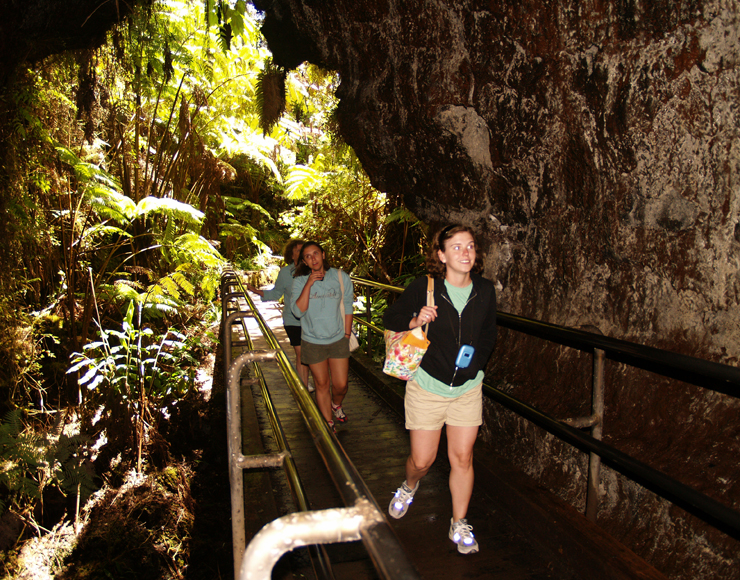
- My Sister and Nieces Entering Thurston Lava Tube, Hawaii Volcanoes National Park: Photo by Donald B MacGowan
Best Exploration Information, Interesting Stories and General Reading about Hawaii
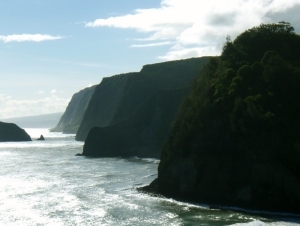
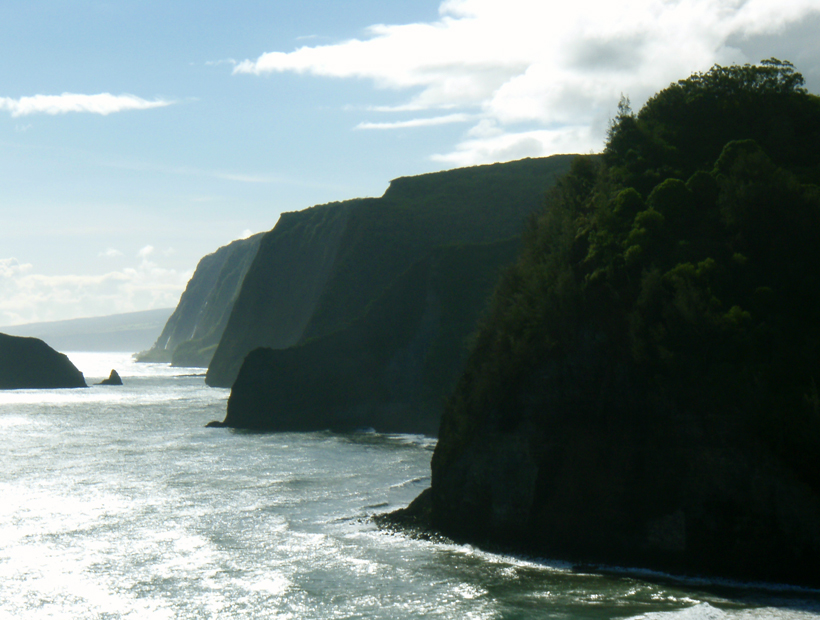
- Cliffs at Pololu Valley, North tip of Hawaii Island: Photo by Donnie MacGowan
-Kohala
Hawaii's Most Famous Beach: Anaeho'omalu Bay on the Incomparable Kohala Coast: http://lovingthebigisland.wordpress.com/2010/02/19/hawaiis-most-famous-beach-anaehoomalu-bay-on-the-incomparable-kohala-coast/
Exploring the Wild Kohala Coast: Hapuna Beach, the Crown Jewel of Hawaii: http://lovingthebigisland.wordpress.com/2010/02/26/exploring-the-wild-kohala-coast-hapuna-beach-the-crown-jewel-of-hawaii/
Pu'ukohola Heiau National Historic Park: A Warrior becomes a King, an Island Archipelago Becomes a Kingdom: http://lovingthebigisland.wordpress.com/2009/11/28/puukohola-heiau-national-historic-park-a-warrior-becomes-a-king-and-island-archepelago-becomes-a-kingdom/
Dreamy, laid back Hawi and Kapa'au: The Joy of North Kohala: http://lovingthebigisland.wordpress.com/2010/02/28/dreamy-laid-back-hawi-and-kapaau-the-joy-of-north-kohala/
What's Out There On The Western Tip of Hawaii Island? Kekaha Kai State Park!: http://lovingthebigisland.wordpress.com/2010/02/18/whats-out-there-on-thethe-western-tip-of-hawaii-island-kekaha-kai-state-park/
Delightful, beautiful Kua Bay on the Southern Kohala Coast, Hawaii: http://lovingthebigisland.wordpress.com/2010/02/10/delightful-beautiful-kua-bay-on-the-southern-kohala-coast-hawaii/
Fabulous, secluded, amazing Waialea Beach (Beach 69) on the Kohala Coast of Hawaii: http://lovingthebigisland.wordpress.com/2010/01/20/fabulous-secluded-amazing-waialea-beach-beach-69-on-the-kohala-coast-of-hawaii/
Exploring the Incredible Kohala Coast: Samuel Spencer Beach County Park and Mau'umae Beach: http://lovingthebigisland.wordpress.com/2010/03/02/exploring-the-incredible-kohala-coast-samuel-spencer-beach-county-park-and-mauumae-beach/
Exploring the Wild Kohala Coastline: Lapakahi State Historical Park and Koai’e Cove, Hawaii: http://lovingthebigisland.wordpress.com/2010/02/16/exporing-the-wild-kohala-coastline-lapakahi-state-historical-park-and-koai%E2%80%99e-cove-hawaii/
Exploring the Kohala Coast: Discover Maka O Hule Navigation Heiau: http://lovingthebigisland.wordpress.com/2010/01/08/4017/
Discovering Kohala: Driving the Scenic and Fabulous Kohala Mountain Road: http://lovingthebigisland.wordpress.com/2009/12/31/discovering-kohala-driving-the-scenic-and-fabulous-kohala-mountain-road/
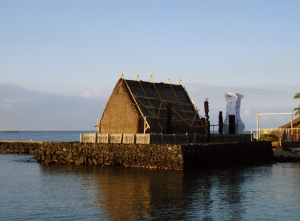
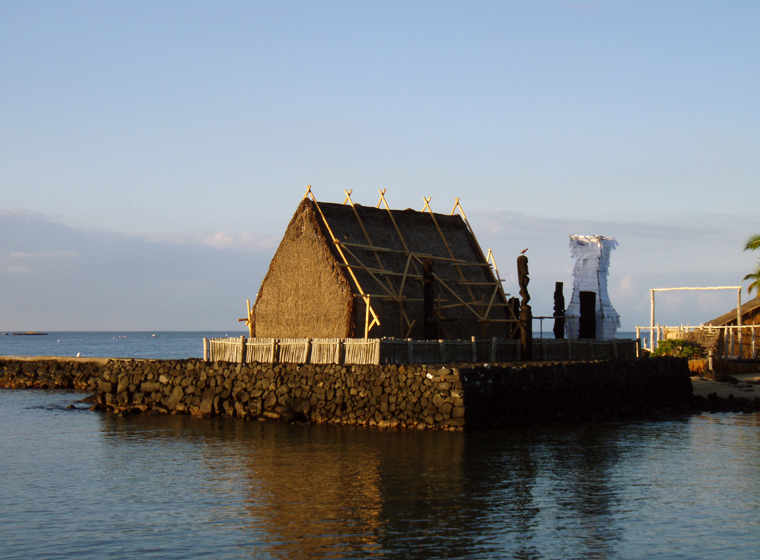
- Morning at Ahu'ena Heiau, Kailua Kona Hawaii Photo by Donnie MacGowan
-Kona
Historic Kailua Kona Town on the Big Island of Hawaii: A Walking Tour: http://lovingthebigisland.wordpress.com/2009/05/03/historic-kailua-kona-town-on-the-big-island-of-hawaii-a-walking-tour/
Exploring Kona: Kahalu'u Beach, where people go to meet the fish!: http://lovingthebigisland.wordpress.com/2010/02/15/exploring-kona-kahaluu-beach-where-people-go-to-meet-the-fish/
Fabulous, Coastal Scenic Drive through Keauhou Historic District, North to South: http://lovingthebigisland.wordpress.com/2010/02/23/fabulous-coastal-scenic-drive-through-keauhou-historic-district-north-to-south/
Discovering Kona: Snorkeling at the Incomparable Two-Step Beach at Honaunau Bay: http://lovingthebigisland.wordpress.com/2010/01/22/discovering-kona-snorkeling-at-the-incomparable-two-step-beach-at-honaunau-bay/
Exploring Beautiful Kona, Hawaii: Magic Sands, La'aloa Beach Park and Haukalua Heiau: http://lovingthebigisland.wordpress.com/2010/02/14/explorng-beautiful-kona-hawaii-magic-sands-laaloa-beach-park-and-haukalua-heiau/
Exploring Kona: Discover hidden, beautiful, special Ho'okena Beach Park: http://lovingthebigisland.wordpress.com/2010/01/24/exploring-kona-discover-hidden-beautiful-special-hookena-beach-park/
Kona's Fascinating History: Exploring Kealakekua Bay Archeological and Historical District, Captain Cook Monument and Hikiau Heiau, Perhaps the Most Important Historical Sites in Hawaii: http://lovingthebigisland.wordpress.com/2009/11/30/konas-fascinating-history-exploring-kealakekua-bay-archeological-and-historical-district-captain-cook-monument-and-hikiau-heiau-perhaps-the-most-important-historical-sites-in-hawaii/
Kona's Fascinating History: Ahu'ena Heiau at Kamakahonu Beach: http://lovingthebigisland.wordpress.com/2009/11/04/konas-fascinating-history-ahuena-heiau-at-kamakahonu-beach/
Kona's Fascinating History: Pu'u Honua O Honaunau, The Place Of Refuge, Hawaii: http://lovingthebigisland.wordpress.com/2009/11/24/konas-fascinating-history-puu-honua-o-honaunau-the-place-of-refuge/
Kona's Fascinating History: The Ancient Temples and Villages, Fabulous Beaches and Scenic Hiking Trails of Koloko-Honokohau National Historic Park, Kona Hawaii: http://lovingthebigisland.wordpress.com/2009/12/02/3407/
Kona's Fascinating History: Hulihe'e Palace: http://lovingthebigisland.wordpress.com/2009/11/01/konas-fscinating-history-hulihee-palace/
Kona's Fascinating History: Moku'aikaua Church--the First Christian Church in Hawaii: http://lovingthebigisland.wordpress.com/2009/11/02/konas-fscinating-history-mokuaikawa-the-first-christian-church-in-hawaii/
Kona's Fascinating History: Kamakahonu Rock, the Kailua Pier and Seawall: http://lovingthebigisland.wordpress.com/2009/10/30/konas-fascinating-history-kamakahonu-rock-the-kailua-pier-and-seawall/
Heartbreak of the Gods: Kuamo'o Battle Field and Lekeleke Graveyard: http://lovingthebigisland.wordpress.com/2009/04/29/heartbreak-of-the-gods-kuamoo-batlle-field-and-lekeleke-graveyard-big-island-of-hawaii/
Rising From The Past: The Rebirth of Hapaiali'i Heiau, a Hawaiian Temple for Honoring Royalty: http://lovingthebigisland.wordpress.com/2009/05/01/1118/
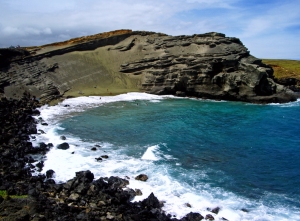
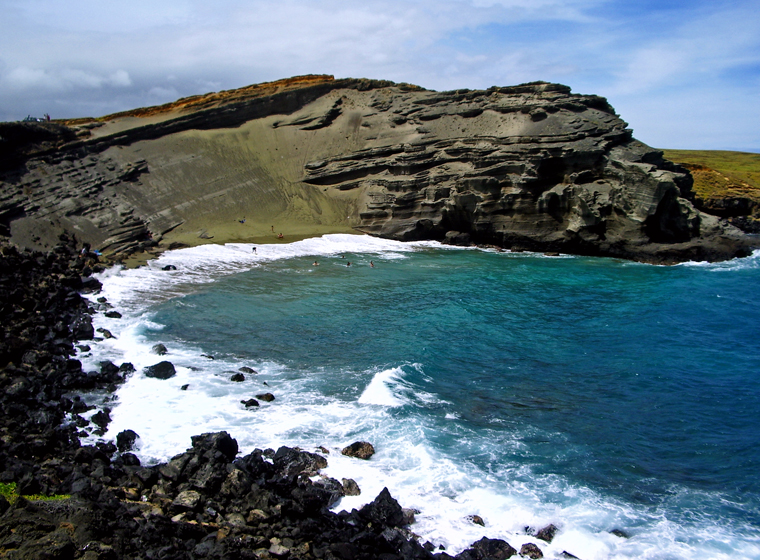
- The Green Sand Beach at South Point, Hawaii: Photo by Donald B MacGowan
-Ka'u
Exploring Hawaii's South Point: Ka Lae And the Hike to the Green Sand Beach: http://lovingthebigisland.wordpress.com/2009/12/05/exploring-hawaiis-south-point-ka-lae-and-the-hike-to-the-green-sand-beach/
Exploring Punalu'u Black Sand Beach in Ka'u Hawaii: Hiking, Snorkeling, Ancient Temples and Endangered Sea Turtles: http://lovingthebigisland.wordpress.com/2009/12/22/exploring-punaluu-black-sand-beach-in-kau-hawaii-hiking-snorkeling-ancient-temples-and-endangered-sea-turtles/
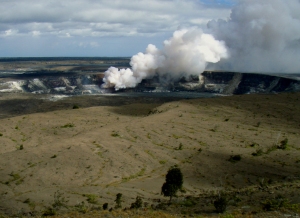
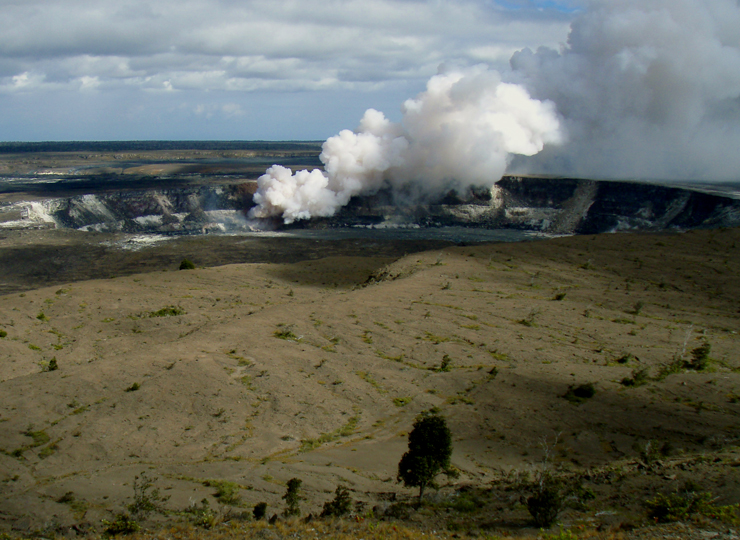
- Halema'uma'u Eruption in Kilauea Crater from the Jagger Museum, Hawaii Volcanoes National Park: Photo by Donald B MacGowan
-Hawaii Volcanoes National Park
Hawaii Volcanoes National Park: The Beating Heart of the Big Island: http://lovingthebigisland.wordpress.com/2010/03/31/hawaii-volcanoes-national-park-the-beating-heart-of-the-big-island/
An Unforgettable Scenic Drive through Hawaii Volcanoes National Park and Puna on the Big Island of Hawaii: http://lovingthebigisland.wordpress.com/2010/01/18/an-unforgettable-scenic-drive-through-hawaii-volcanoes-national-park-and-puna-on-the-big-island-of-hawaii/
Exploring Hawaii Volcanoes National Park: Along Crater Rim Drive: http://lovingthebigisland.wordpress.com/2010/03/27/explorng-hawaii-volcanoes-national-park-along-the-chain-of-craters-road/
Exploring Hawaii Volcanoes National Park: Down the Chain of Craters Road: http://lovingthebigisland.wordpress.com/2010/03/28/exploring-hawaii-volcanoes-national-park-down-the-chain-of-craters-road/
Exploring Hawaii Volcanoes National Park: Lava Viewing: http://lovingthebigisland.wordpress.com/2010/03/29/exploring-hawaii-volcanoes-national-park-lava-viewing/
Exploring Hawaii Volcanoes National Park: Alanui Kahiko: http://lovingthebigisland.wordpress.com/2010/02/20/chain-of-craters-road-hawaii-volcanoes-national-park-alanui-kahiko/
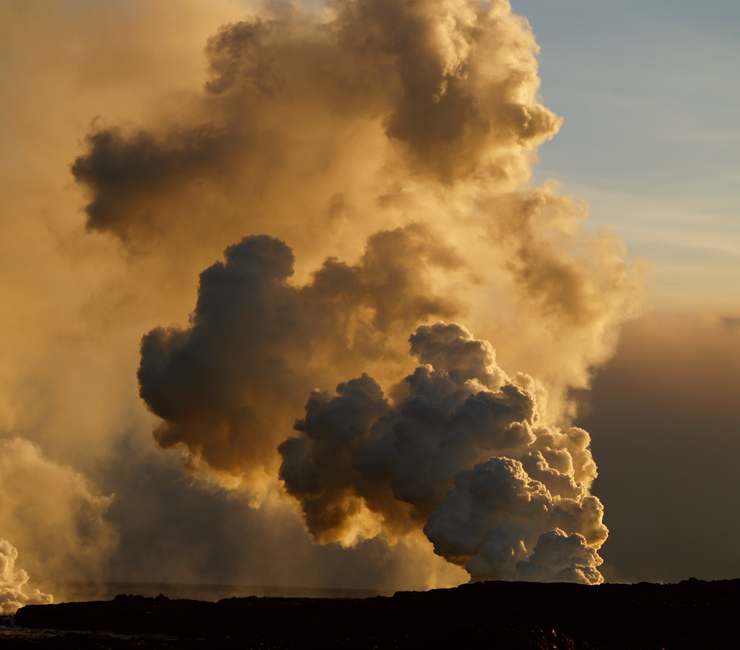
- Littoral explosion plume at Waikupanaha lava ocean entry, Puna Hawaii: Photo by Donnie MacGowan
Exploring Hawaii Volcanoes National Park: Devastation Trail: http://lovingthebigisland.wordpress.com/2010/03/06/exploring-hawaii-volcanoes-national-park-devastation-trail/
Exploring Hawaii Volcanoes National Park: Devil's Throat Collapse Crater: http://lovingthebigisland.wordpress.com/2010/03/07/exploring-hawaii-volcanoes-national-park-devils-throat-collapse-craterdevil%E2%80%99s-throat-less-than-110-of-a-mile-southwest-along-chain-of-craters-road-from-the-hilina-pali-road-turnoff-is-a-s/
Exploring Hawaii Volcanoes National Park: What's at the End of Chain of Craters Road? Hiking! Mountain biking! Bird-watching!: http://lovingthebigisland.wordpress.com/2010/03/08/exploring-hawaii-volcanoes-national-park-whats-at-the-end-of-chain-of-craters-road/
Exploring Hawaii Volcanoes National Park: Hiking and Biking the Escape Road: http://lovingthebigisland.wordpress.com/2010/03/09/exploring-hawaii-volcanoes-national-park-hiking-and-biking-the-escape-road/
Exploring Hawaii Volcanoes National Park: Halema'uma'u Crater Overlook: http://lovingthebigisland.wordpress.com/2010/03/26/exploring-hawaii-volcanoes-national-park-halemaumau-crater-overlook/
Exploring Hawaii Volcanoes National Park: Halona Kahakai: http://lovingthebigisland.wordpress.com/2010/03/09/exploring-hawaii-volcanoes-national-park-halona-kahakai/
Exploring Hawaii Volcanoes National Park: Hi'iaka Crater and the Lava Flow of 1973: http://lovingthebigisland.wordpress.com/2010/03/10/exploring-hawaii-volcanoes-national-park-hiiaka-crater-and-the-lava-flow-of-1973/
Exploring Hawaii Volcanoes National Park: The incredible Hilina Pali Road: http://lovingthebigisland.wordpress.com/2010/03/10/exploring-hawaii-volcanoes-national-park-the-incredible-hilina-pali-road/
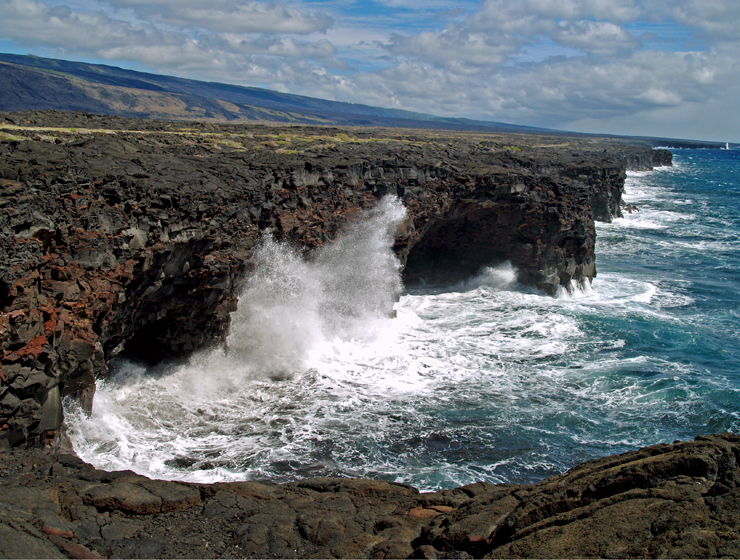
- Sea arches, cliffs and wild ocean at the end of Chain of Craters Road, Hawaii Volcanoes National Park: Photo by Donald B MacGowan
Exploring Hawaii Volcanoes National Park: Holei Lava Tube: http://lovingthebigisland.wordpress.com/2010/03/11/exploring-hawaii-volcanoes-national-park-holei-lava-tube/
Exploring Hawaii Volcanoes National Park: Holei Pali: http://lovingthebigisland.wordpress.com/2010/03/11/exploring-hawaii-volcanoes-national-park-holei-pali/
Exploring Hawaii Volcanoes National Park: Holei Sea Arch: http://lovingthebigisland.wordpress.com/2010/03/11/exploring-hawaii-volcanoes-national-park-holei-sea-arch/
Exploring Hawaii Volcanoes National Park: Jagger Museum and Hawai’i Volcano Observatory: http://lovingthebigisland.wordpress.com/2010/03/12/exploring-hawaii-volcanoes-national-park-jagger-museum-and-hawai%E2%80%99i-volcano-observatory/
Exploring Hawaii Volcanoes National Park: Kealakomo Overlook: http://lovingthebigisland.wordpress.com/2010/03/13/exploring-hawaii-volcanoes-national-park-kealakomo-overlook/
Exploring Hawaii Volcanoes National Park: Keanakako'i Crater: http://lovingthebigisland.wordpress.com/2010/03/25/exploring-hawaii-volcanoes-national-park-keanakakoi-crater/
Exploring Hawaii Volcanoes National Park: Kilauea Iki Overlook: http://lovingthebigisland.wordpress.com/2010/03/13/exploring-hawaii-volcanoes-national-park-kilauea-iki-overlook/
Exploring Hawaii Volcanoes National Park: Kilauea Crater Overlook: http://lovingthebigisland.wordpress.com/2010/03/14/exploring-hawaii-volcanoes-national-park-kilauea-crater-overlook/
Exploring Hawaii Volcanoes National Park: Kilauea Military Camp: http://lovingthebigisland.wordpress.com/2010/03/14/exploring-hawaii-volcanoes-national-park-kilauea-military-camp/
Exploring Hawaii Volcanoes National Park: Kilauea Visitor's Center: http://lovingthebigisland.wordpress.com/2010/03/15/exploring-hawaii-volcanoes-national-park-kilauea-visitors-center/
Exploring Hawaii Volcanoes National Park: Kipuka Kahali'i: http://lovingthebigisland.wordpress.com/2010/03/15/exploring-hawaii-volcanoes-national-park-kipuka-kahakihi/
Exploring Hawaii Volcanoes National Park: Ko'oko'olau Crater: http://lovingthebigisland.wordpress.com/2010/03/15/exploring-hawaii-volcanoes-national-park-kookoolau-crater/

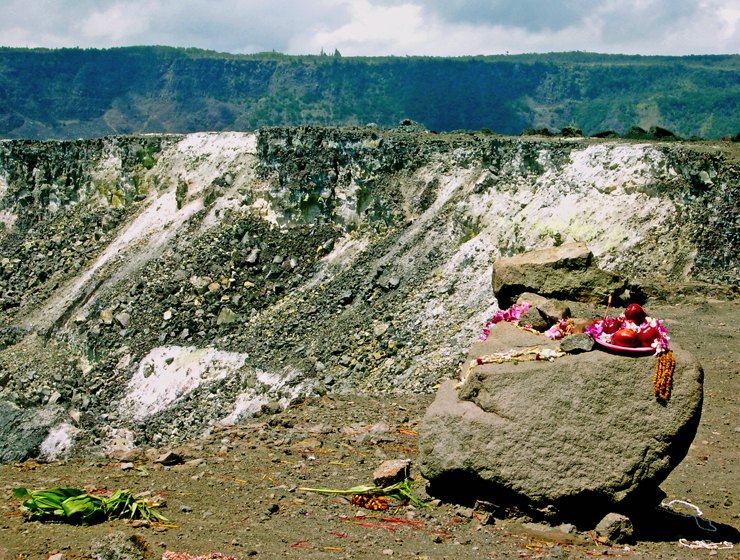
- Appeasing the goddess at Halema'uma'u Crater, Hawaii Volcanoes National Park: Photo by Donald B MacGowan
Exploring Hawaii Volcanoes National Park: Kulanaokuaiki Campground: http://lovingthebigisland.wordpress.com/2010/03/16/exploring-hawaii-volcanoes-national-park-kulanaokuaiki-campground/
Exploring Hawaii Volcanoes National Park: Mauna Loa Lava Tree Molds: http://lovingthebigisland.wordpress.com/2010/03/16/exploring-hawaii-volcanoes-national-park-mauna-loa-lava-tree-molds/
Exploring Hawaii Volcanoes National Park: Lua Manu Crater: http://lovingthebigisland.wordpress.com/2010/03/17/exploring-hawaii-volcanoes-national-park-lua-manu-crater/
Exploring Hawaii Volcanoes National Park: The Main Entrance: http://lovingthebigisland.wordpress.com/2010/03/17/exploring-hawaii-volcanoes-national-park-the-main-entrance/
Exploring Hawaii Volcanoes National Park: Mau Loa O Mauna Ulu: http://lovingthebigisland.wordpress.com/2010/03/18/exploring-hawaii-volcanoes-national-park-mau-loa-of-mauna-ulu/
Exploring Hawaii Volcanoes National Park: Along the Mauna Loa Scenic Road…Tree Molds, Kipuka Puaulu and Mauna Loa Summit Trailhead: http://lovingthebigisland.wordpress.com/2010/03/18/exploring-hawaii-volcanoes-national-park-along-the-mauna-loa-scenic-road%E2%80%A6tree-molds-kipuka-puaulu-and-mauna-loa-summit-trailhead/
Exploring Hawaii Volcanoes National Park: Mauna Ulu, the Growing Mountain: http://lovingthebigisland.wordpress.com/2010/03/19/exploring-hawaii-volcanoes-national-park-mauna-ulu-the-growing-mountain/
Exploring Hawaii Volcanoes National Park: Muliwai a Pele : http://lovingthebigisland.wordpress.com/2010/03/19/exploring-hawaii-volcanoes-national-park-muliwai-a-pele/
Exploring Hawaii Volcanoes National Park: Namakani Paio Campground: http://lovingthebigisland.wordpress.com/2010/03/20/exploring-hawaii-volcanoes-national-park-namakani-paio-campground/
Exploring Hawaii Volcanoes National Park: Pauahi Crater: http://lovingthebigisland.wordpress.com/2010/03/20/exploring-hawaii-volcanoes-nationa-park-pauahi-crater/
Exploring Hawaii Volcanoes National Park: Pu'u Pua'i: http://lovingthebigisland.wordpress.com/2010/03/21/exploring-hawaii-volcanoes-national-park-puu-puai/
Exploring Hawaii Volcanoes National Park: Puhimau Crater: http://lovingthebigisland.wordpress.com/2010/03/21/exploring-hawaii-volcanoes-national-park-puhimau-crater/
Exploring Hawaii Volcanoes National Park: Pu'u Loa Petroglyph Field: http://lovingthebigisland.wordpress.com/2010/03/22/exploring-hawaii-volcanoes-national-park-puu-loa-petroglyph-field/

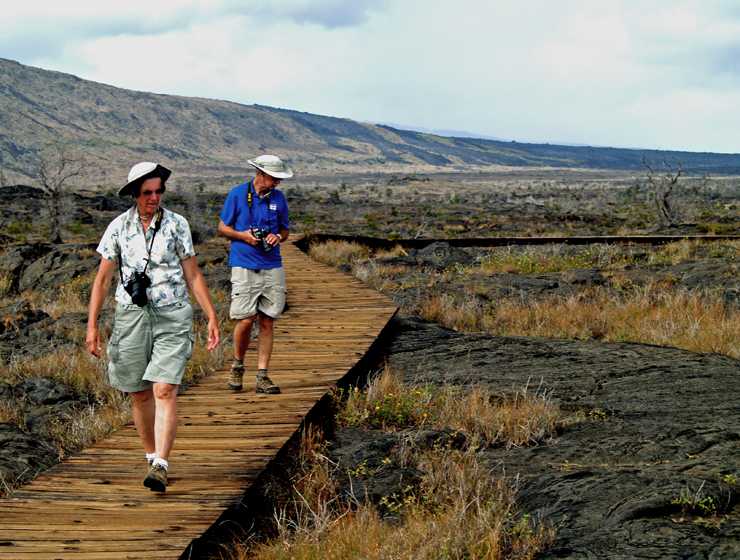
- Visitors inspect petroglyphs at Pu'u Loa, Hawaii Volcanoes National Park: Photo by Donald B MacGowan
Exploring Hawaii Volcanoes National Park: The Southwest Rift Zone: http://lovingthebigisland.wordpress.com/2010/03/25/exploring-hawaii-volcanoes-national-park-the-southwest-rift-zone/
Exploring Hawaii Volcanoes National Park: Sulfur Banks and Steaming Bluff: http://lovingthebigisland.wordpress.com/2010/03/22/exploring-hawaii-volcanoes-national-park-sulfur-banks-and-steaming-bluff/
Exploring Hawaii Volcanoes National park: The Thurston Lava Tube: http://lovingthebigisland.wordpress.com/2010/03/23/exploring-hawaii-volcanoes-national-park-the-thurston-lava-tube/
Exploring Hawaii Volcanoes National Park: The Volcano Art Center: http://lovingthebigisland.wordpress.com/2010/03/23/exporing-hawaii-volcanoes-national-park-thurston-lava-tube/
Exploring Hawaii Volcanoes National Park: Volcano House Hotel: http://lovingthebigisland.wordpress.com/2010/03/24/exploring-hawaii-volcanoes-national-park-volcano-house-hotel/
Picturesque Volcano Village: Food, gasoline and accommodations, just outside Hawaii Volcanoes National Park: http://lovingthebigisland.wordpress.com/2010/03/24/picturesque-volcano-village-food-gasoline-and-accomodations-just-outside-hawaii-volcanoes-national-park/
Exploring Hawaii Volcanoes National Park: Waldron Ledge Hike: http://lovingthebigisland.wordpress.com/2010/03/25/exploring-hawaii-volcanoes-national-park-waldron-ledge-hike/

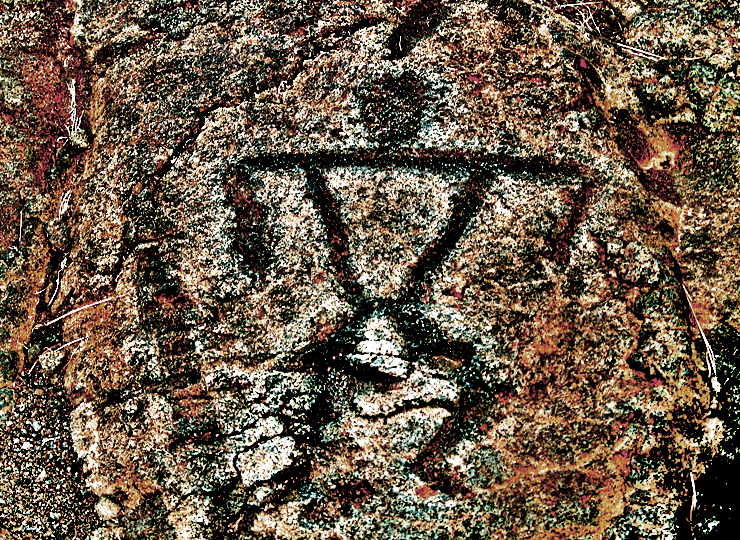
- Anthropomorphic petroglyph at Pu'u Loa, Hawaii Volcanoes National Park: Graphic from Photo by Donald B MacGowan
-Puna
Exploring Mysterious, Magnificent, Unspoiled Puna: http://lovingthebigisland.wordpress.com/2010/01/02/exploring-mysterious-magnificent-unspoiled-puna/
Kalapana, Hawaii: From the Fires of Hades to the Eden of Rebirth: http://lovingthebigisland.wordpress.com/2009/01/17/kalapana-hawaii-from-the-fires-of-hades-to-the-eden-of-rebirth/
Exciting Puna: See flowing lava at Waikupanaha, Puna on the Big Island of Hawaii: http://lovingthebigisland.wordpress.com/2010/01/16/hiking-at-the-waikupanaha-lava-ocean-entry-in-puna-on-the-big-island-of-hawaii/
Discovering Puna: Exploring Lava Trees State Monument on the Big Island of Hawaii: http://lovingthebigisland.wordpress.com/2009/12/19/dicovering-puna-exploring-lava-trees-state-monument-on-the-big-island-of-hawaii/
- Kupaianaha Vent on Kilauea Hawaii Volcanoes National Park: Photo by Donald B MacGowan
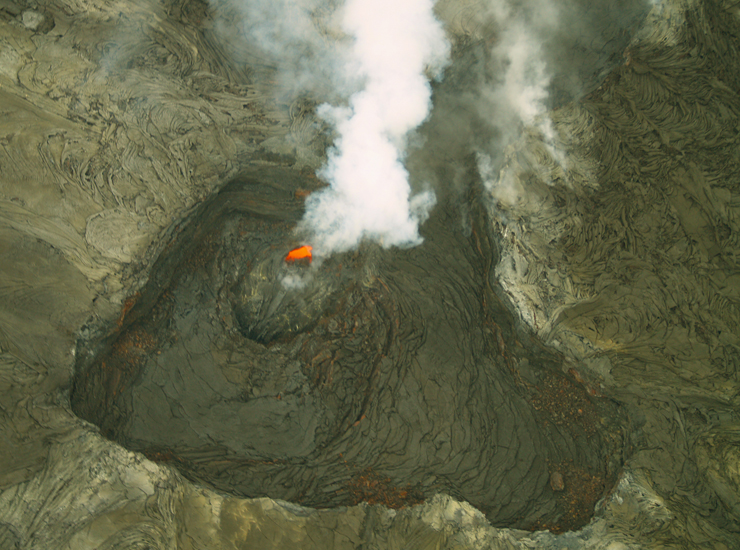
Exploring Puna: Ahalanui Pond at Pu’ala’a County Park in Puna, Hawaii: http://lovingthebigisland.wordpress.com/2009/12/29/exploring-puna-ahalanui-pond-at-pu%E2%80%99ala%E2%80%99a-county-park-in-puna-hawaii/
Exploring Puna: Discover Charming, Eclectic, Surprising Pahoa Town!: http://lovingthebigisland.wordpress.com/2010/01/07/3982/
Discovering Puna: Explore Isaac Hale Beach Park at Pohoiki Bay, Puna Hawaii: http://lovingthebigisland.wordpress.com/2010/01/03/discovering-puna-explore-isaac-hale-beach-park-at-pohoiki-bay-puna-hawaii/
Exploring Puna: Discovering the Majestic, Primeval Tree Tunnels of Puna: http://lovingthebigisland.wordpress.com/2010/01/01/exploring-puna-discovering-the-majestic-primeval-tree-tunnels-of-puna/
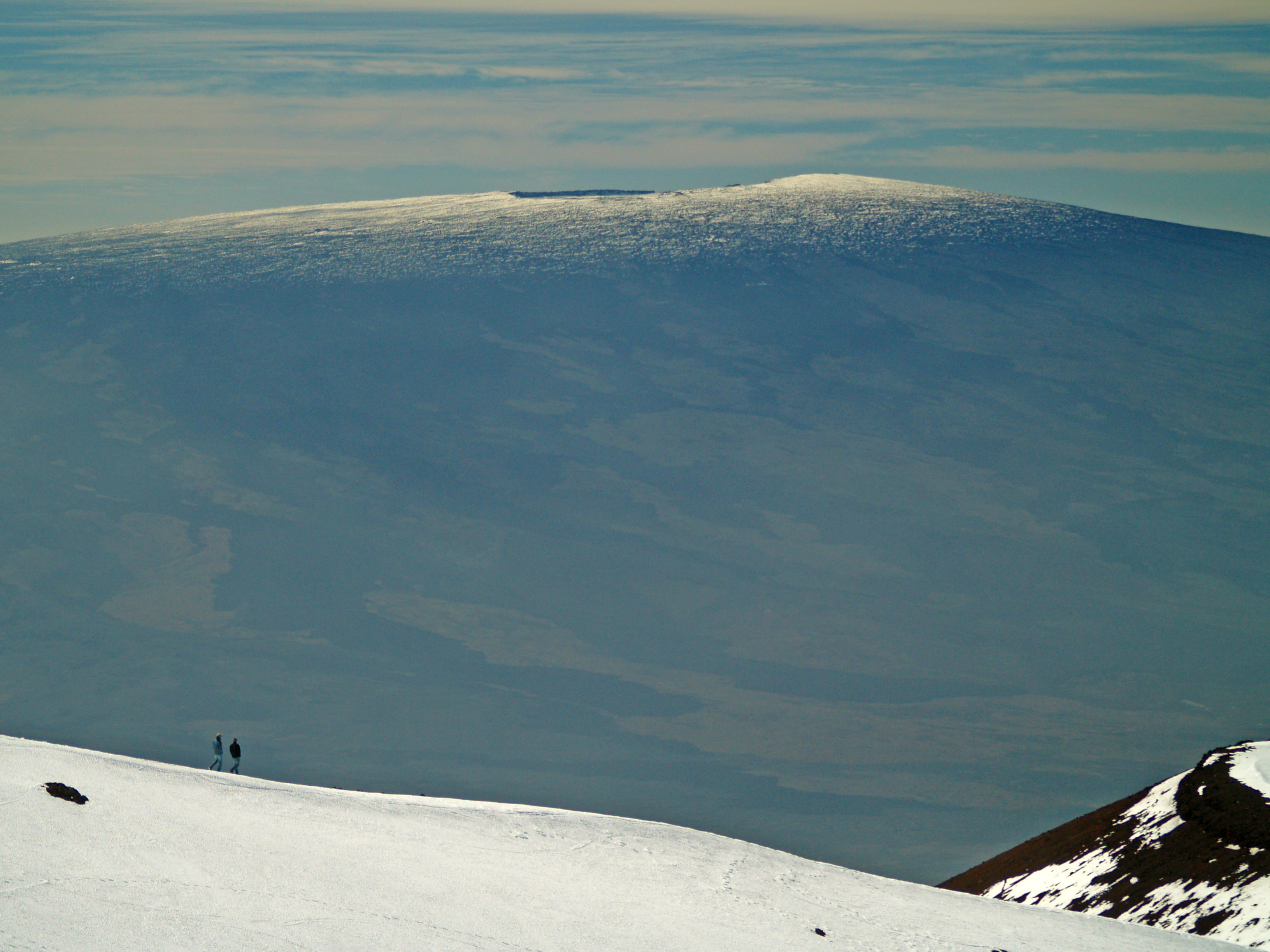
- From Mauna Kea to Mauna Loa, Hawaii: Photo by Donnie MacGowan
-Hilo, Waimea, Saddle Road and Hamakua
Unimaginably beautiful, surprisingly engaging and fantastically fun Hilo, Hawaii!: http://lovingthebigisland.wordpress.com/2010/02/06/unimaginably-beautfiul-surprisingly-engaging-and-fantastically-fun-hilo-hawaii/
My Favorite Scenic Drive: Hawaii's Wild and Scenic Saddle Road!: http://lovingthebigisland.wordpress.com/2010/02/12/best-scenic-drives-on-hawaii-1-the-saddle-road-kona-to-the-summit-of-mauna-kea-kaumana-cave-and-hilo-2/
The Heart of Paniolo Country on the Big Island of Hawaii: Scenic, Historic Waimea: http://lovingthebigisland.wordpress.com/2010/02/02/the-heart-of-paniolo-country-in-hawaii-scenic-historic-waimea/
Exploring the jungle trails of Akaka Falls on the Big Island of Hawaii: http://lovingthebigisland.wordpress.com/2009/12/18/exploring-the-jungle-trails-of-akaka-falls-on-the-big-island-of-hawaii/
Exploring Wailuku River Park and Rainbow Falls, Hilo Hawaii: http://lovingthebigisland.wordpress.com/2009/12/12/exloring-wailuku-river-park-and-rainbow-falls-hlio-hawaii/
Serene, lovely, enchanting Richardson Ocean Park, Hilo Hawaii: http://lovingthebigisland.wordpress.com/2010/02/08/serene-lovely-enchanting-richardson-ocean-park-hilo-hawaii/
Fabulous Hamakua: Discovering Honoka'a Town on the Big Island of Hawaii: http://lovingthebigisland.wordpress.com/2010/02/01/fabulous-hamakua-discovering-honokaa-town-on-the-big-island-of-hawaii/
The Magic of Hilo District: Pe'epekeo Scenic Drive and Onomea Bay Trail: http://lovingthebigisland.wordpress.com/2010/01/28/the-magic-of-hilo-district-peepekeo-scenic-drive-and-onomea-bay-trail/
Exploring Laupahoehoe Park, Hamakua Coast on the Big Island of Hawaii: http://lovingthebigisland.wordpress.com/2009/12/21/exploring-laupahoehoe-park-hamakua-coast-on-the-big-island-of-hawaii/
Exploring Kaumana Cave, Just Outside Hilo Along the Saddle Road on the Big Island of Hawaii: http://lovingthebigisland.wordpress.com/2009/12/20/exploring-kaumana-cave-just-outide-hilo-on-the-saddle-road-on-the-big-island-of-hawaii/
The Magic of Hilo District: Unforgettable, surprising, peaceful Kolekole Beach Park: http://lovingthebigisland.wordpress.com/2010/01/29/the-magic-of-hilo-district-unforgetable-surprising-peaceful-kolekole-beach-park/
Exploring the Hamakua Coast, North of Hilo, Hawaii: Hakalau Canyon: http://lovingthebigisland.wordpress.com/2009/12/27/exporng-the-hamakaua-coast-north-of-hilo-hawaii-hakalau-canyon/
Exploring Hawaii's Saddle Road: Kipuka Pu’u Huluhulu Nature Trails and Kipuka Aina Hou Nene Sanctuary: http://lovingthebigisland.wordpress.com/2010/02/11/5130/
Hilo Askance: http://lovingthebigisland.wordpress.com/2009/10/10/hilo-askance/
- Hikers at the beach in Waipi'o Valley, Hamakua Coast Hawaii: Photo by Donald B MacGowan
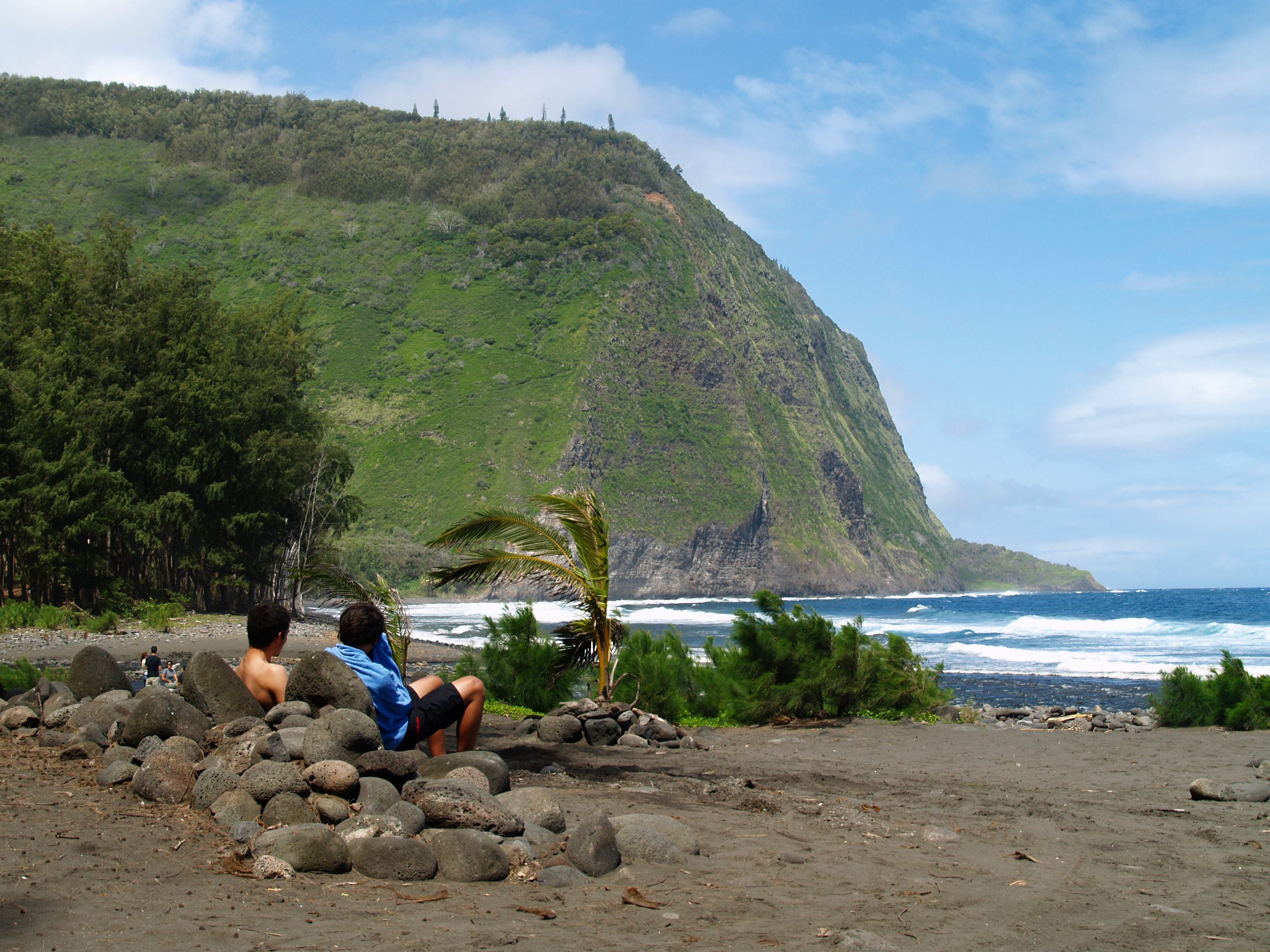
-Big Island General
The Call of Aloha...:http://lovingthebigisland.wordpress.com/2009/08/13/the-call-of-aloha/
The Beautiful, Enigmatic and Cryptic Petroglyphs of Hawaii Island: http://lovingthebigisland.wordpress.com/2009/04/23/the-beautiful-enigmatic-and-cryptic-petroglyphs-of-hawaii-island/
Hawaiian Green Sea Turtles: Honu of the Big Island: http://lovingthebigisland.wordpress.com/2009/09/19/hawaiis-magnificent-honu-the-endangered-hawaiian-green-sea-turtle/
A Brief History of Kona Coffee...: http://lovingthebigisland.wordpress.com/2009/02/03/a-brief-history-of-kona-coffee/
Hawaii's Amazing Lava Fossils: http://lovingthebigisland.wordpress.com/2009/08/24/hawaiis-amazing-lava-fossils/
The Sugar Industry in Hawaii: Kona Sugar Company and West Hawai’i Railway Company: http://lovingthebigisland.wordpress.com/2009/04/25/the-sugar-industry-in-hawaii-kona-sugar-company-and-west-hawai%E2%80%99i-railway-company/
The Hawaiian Snow Goddess Poliahu and the Summit of Mauna Kea...: http://lovingthebigisland.wordpress.com/2009/02/05/the-hawaiian-snow-goddess-poliahu-and-the-summit-of-mauna-kea/
Why I love Hawaii...: http://lovingthebigisland.wordpress.com/2009/01/13/why-i-love-hawaii/
A Brief History of Ranching in Hawaii: http://lovingthebigisland.wordpress.com/2009/05/24/rodeo-to-rock-and-roll-a-brief-history-of-ranching-in-hawaii/
Conjuring Visions of Paradise: http://lovingthebigisland.wordpress.com/2009/02/19/conjuring-visions-of-paradise/
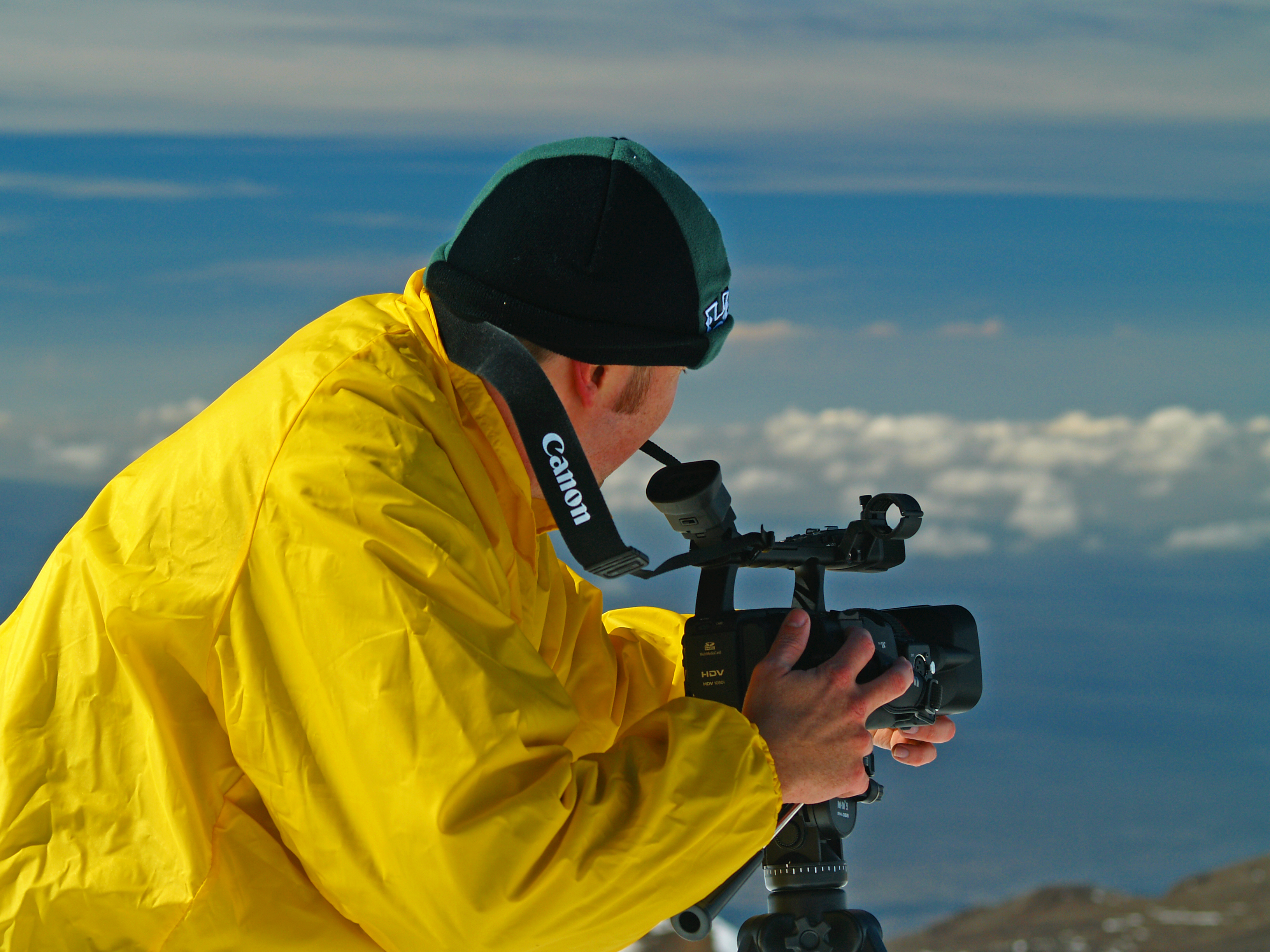
- Eric Carr braves high altitude and low temperatures to shoot video on the summit of Mauna Kea, Hawaii: Photo by Donnie MacGowan
-Video
Kilauea's Eruption Just Keeps Getting More Fantastic!: http://lovingthebigisland.wordpress.com/2008/07/31/wwwtourguidehawaiicom-presents-new-video-of-kilauea-volcano-erupting/
Pu'u Loa Petroglyph Field, Hawaii Volcanoes National Park: http://lovingthebigisland.wordpress.com/2009/03/17/823/
Volcano Art Center—A Kipuka of Creativity on the Rim of Madam Pele's Home: http://lovingthebigisland.wordpress.com/2009/06/01/volcano-art-center-hawaii-volcanoes-national-park/
Jagger Museum, Hawaii Volcanoes National Park: http://lovingthebigisland.wordpress.com/2009/04/01/jagger-museum-hawaii-volcanoes-national-rark/
Captain Cook's Legacy: Exploring the History and Waters of Kealakekua Bay: http://lovingthebigisland.wordpress.com/2009/04/07/949/
Mo'okini Heiau: Warrior Kings and Human Sacrifice on Hawai'i: http://lovingthebigisland.wordpress.com/2009/01/03/mookini-heiau-warrior-kings-and-human-sacrifice-on-hawaii-2/
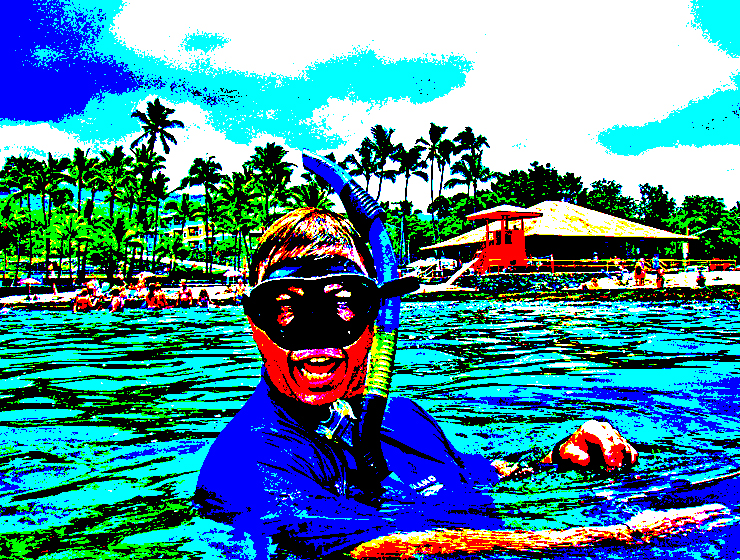
- Bart Hunt Snorkeling at Kahalu'u Beach, Kona Hawaii: Graphic from Photo by Donnie MacGowan
- Bart Hunt Snorkeling at Kahalu'u Beach, Kona Hawaii: Graphic from Photo by Donnie MacGowan
To see the new iPhone/iPod Touch App, please visit http://www.tourguidehawaii.com/iphone.html. The best of Tour Guide Hawaii's free content about traveling to, and exploring, the Big island, can be found here.
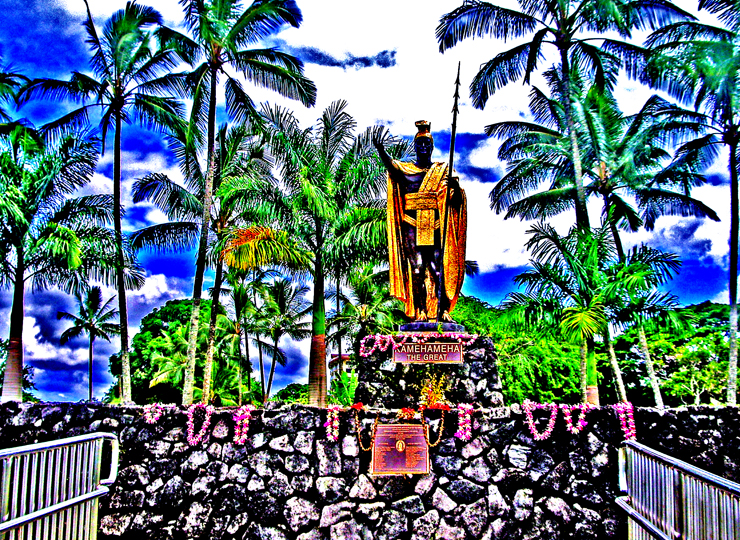
- King Kamehameha Statue, Wailoa Park, Hilo Hawaii: Graphic from Photo by Donnie MacGowan
- King Kamehameha Statue, Wailoa Park, Hilo Hawaii: Graphic from Photo by Donnie MacGowan
For more information on traveling to Hawaii in general and on touring the Big Island in particular, please also visit www.tourguidehawaii.com and www.tourguidehawaii.blogspot.com.
For independent reviews of our product, written by some of our legions of satisfied customers, please check this out.
All media copyright 2009 by Donald B. MacGowan. All rights reserved.
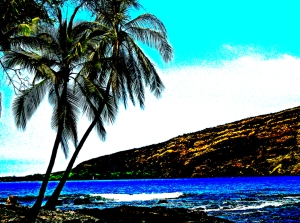
- Captain James Cook Monument from Manini Beach on Kealakekua Bay, Kona Hawaii: Graphic from Photo by Donald B MacGowan